Wheelchair Access and Accessibility at the Haram: What Pilgrims Should Know
17 September 2026
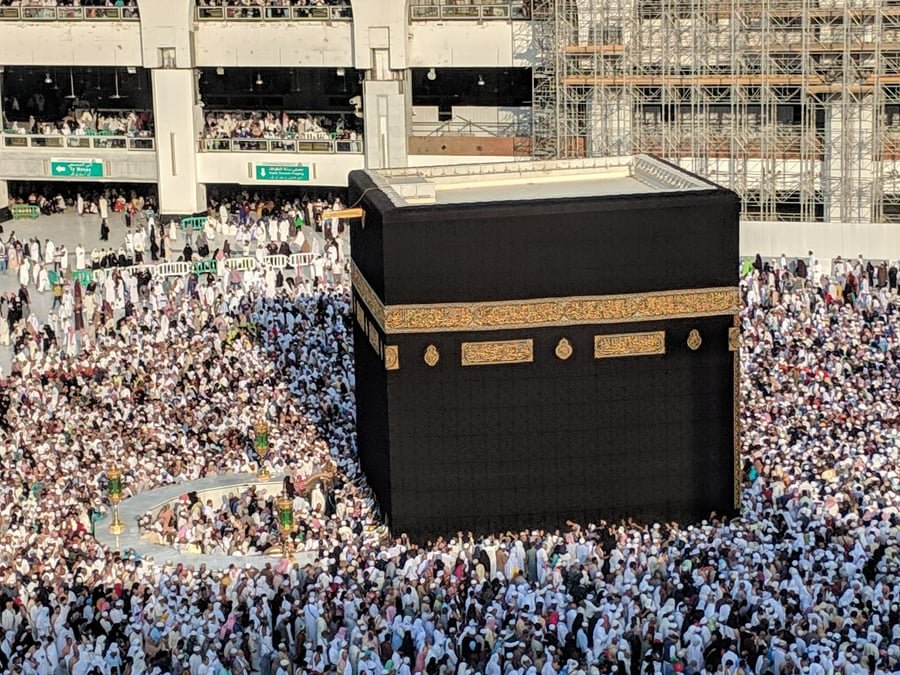
Mobility concerns are one of the most common reasons older pilgrims, or those with chronic health conditions, hesitate before booking Hajj or Umrah — worth addressing directly, because far more support exists at the holy sites than most people realise.
Wheelchairs are widely available for use at both Masjid al-Haram and Masjid an-Nabawi, and using one for Tawaf or Sa'i is common practice, not something to feel self-conscious about. Elevated and ground-level routes exist specifically to accommodate wheelchair users during Tawaf, separate from the main walking crowd, and similar provisions exist along the Sa'i route between Safa and Marwah.
Wheelchairs can generally be rented on-site if you don't bring your own, and assistance staff are present at both mosques to help pilgrims who need it. If you use a wheelchair regularly at home, bringing your own — along with any spare parts or a basic repair kit — is usually more comfortable than relying entirely on rental equipment you're not used to.
Beyond the mosques themselves, it's worth thinking through the wider journey too: transport between Mina, Arafah, and Muzdalifah, and the distances involved at each stage, since accessibility support varies more outside the two main mosques than within them.
Tell us about any mobility needs when you enquire — it changes how we plan accommodation proximity and group support for your trip, and it's much easier to arrange well in advance than to adapt once you're already there.